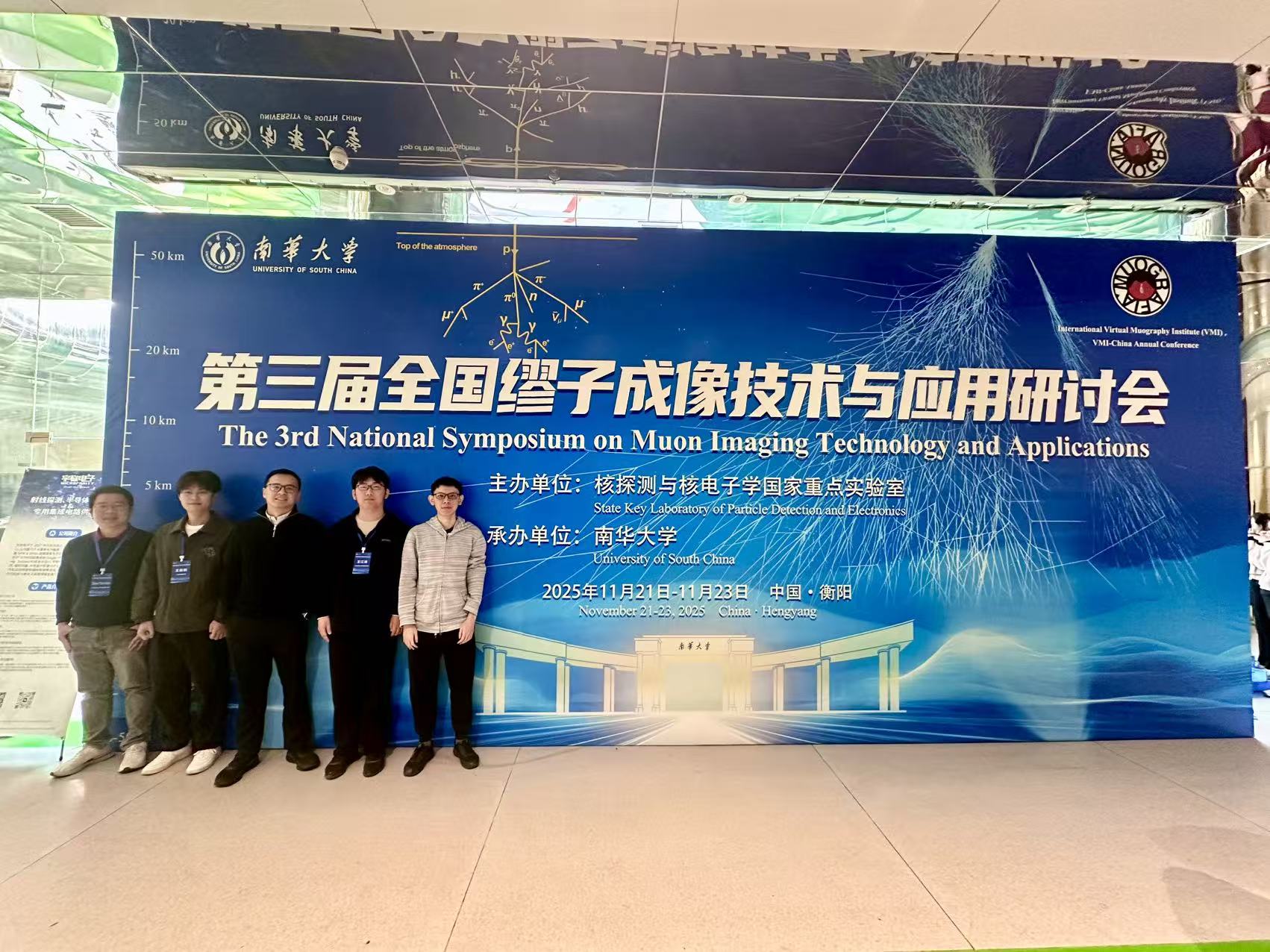
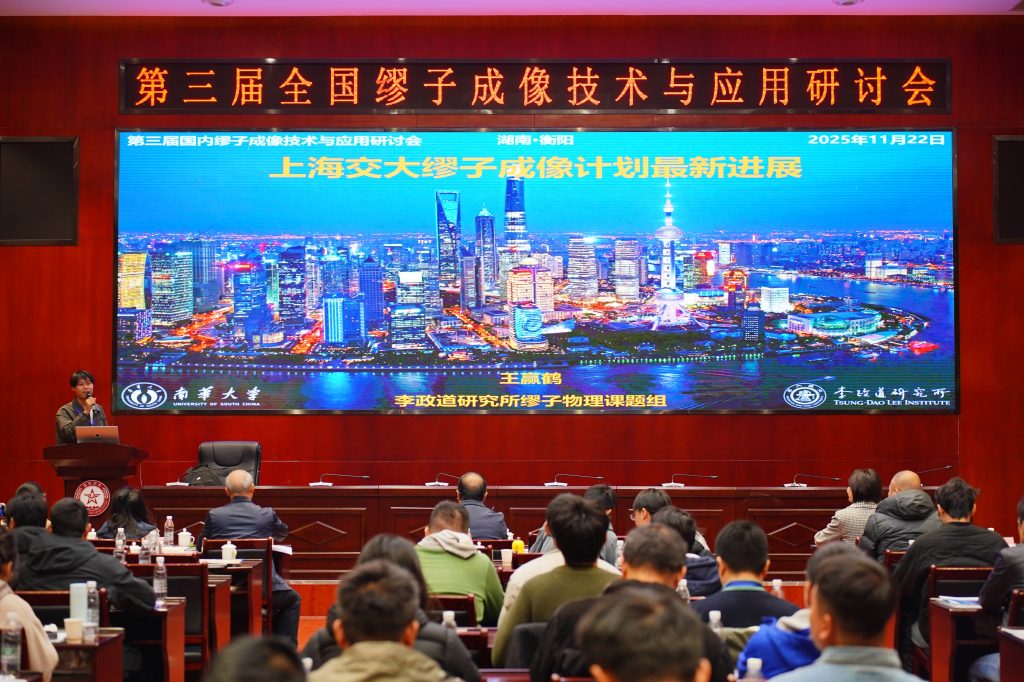
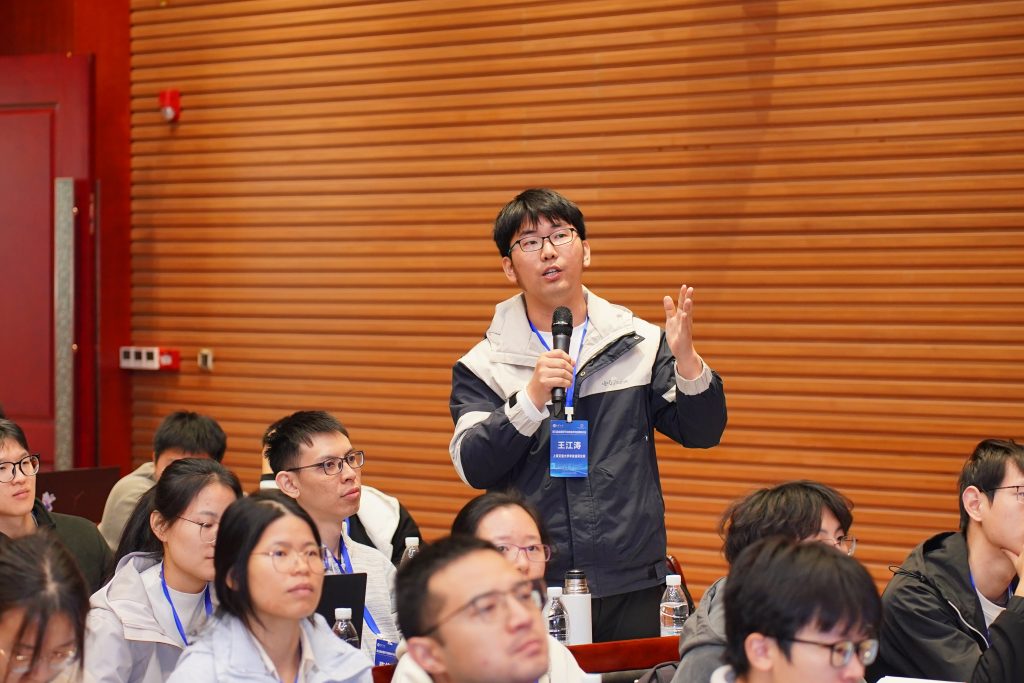
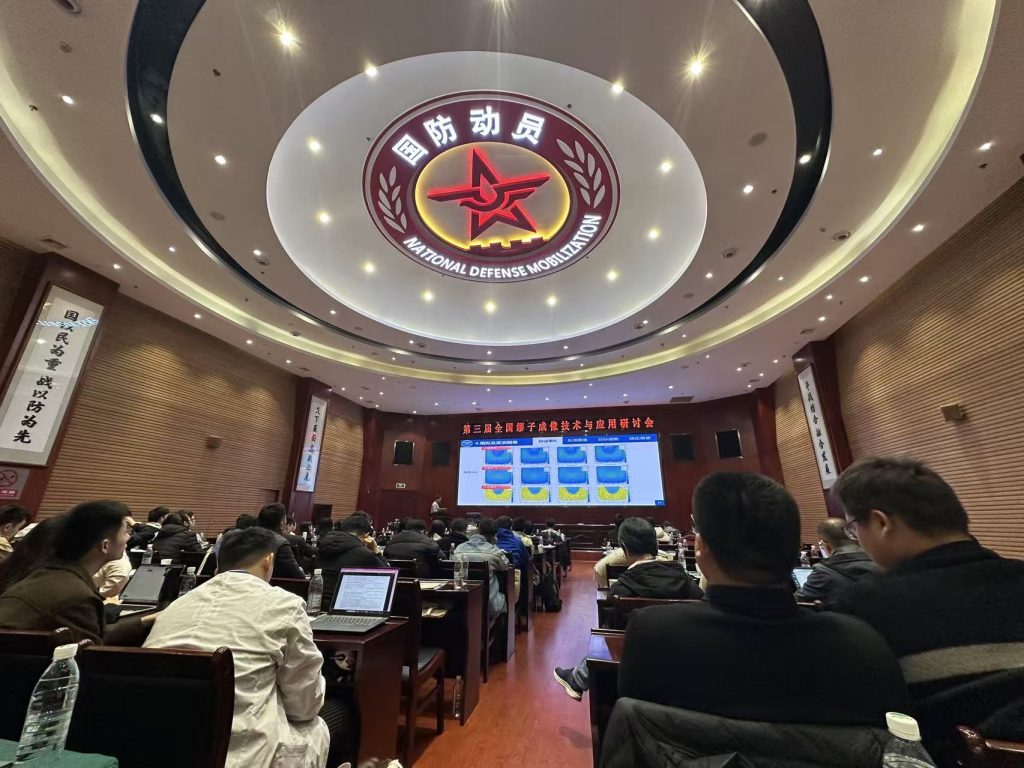
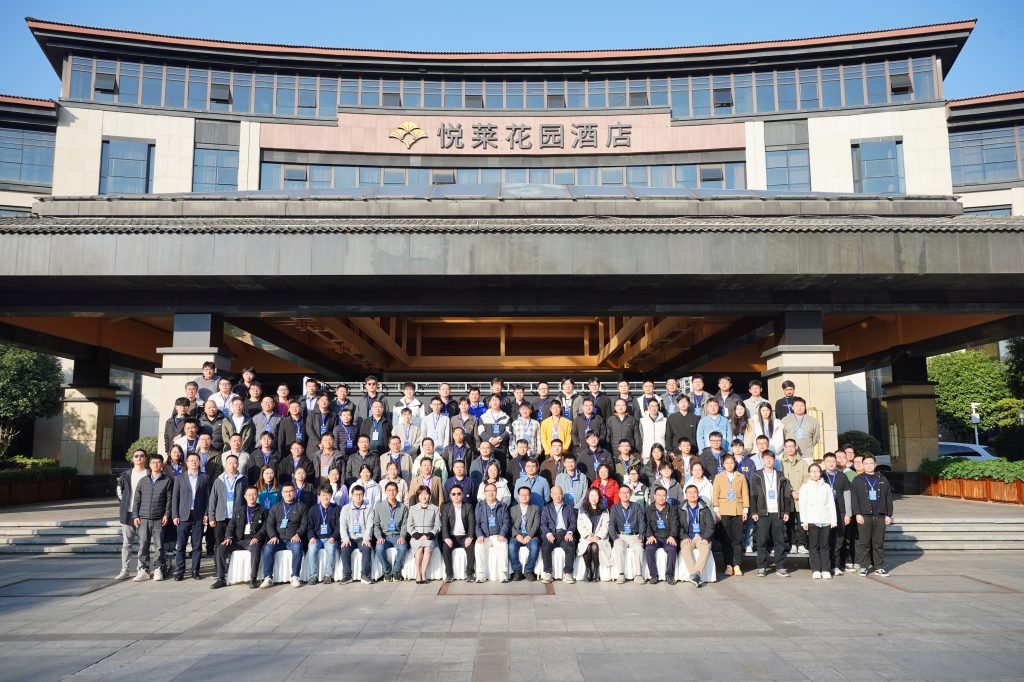
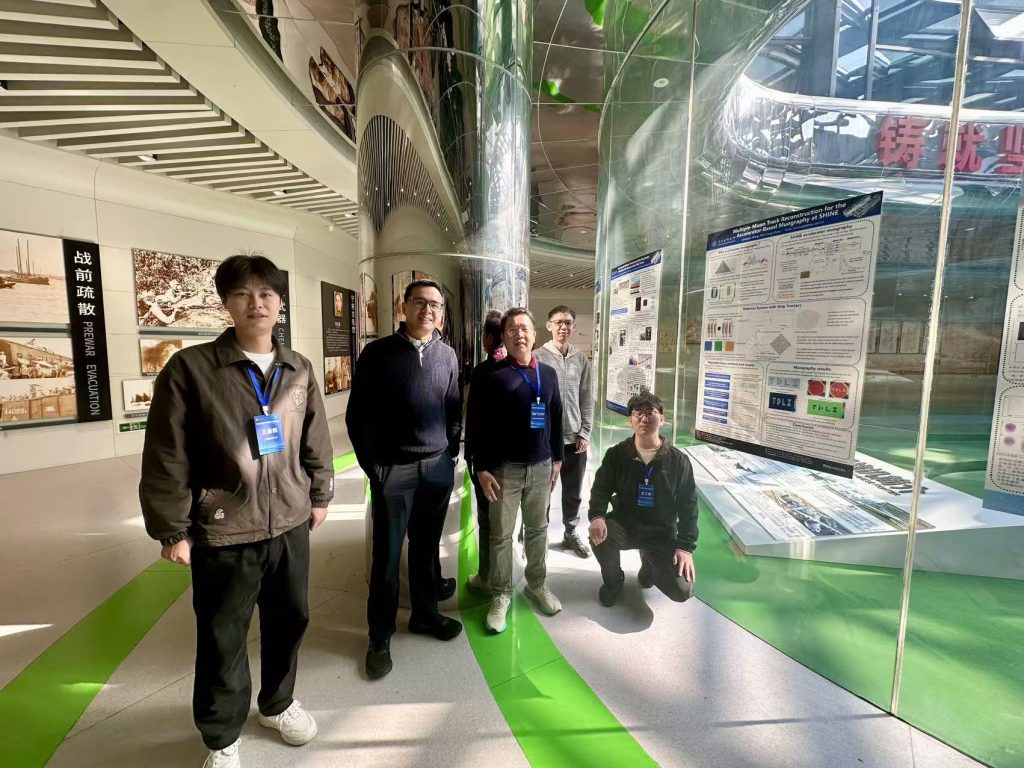
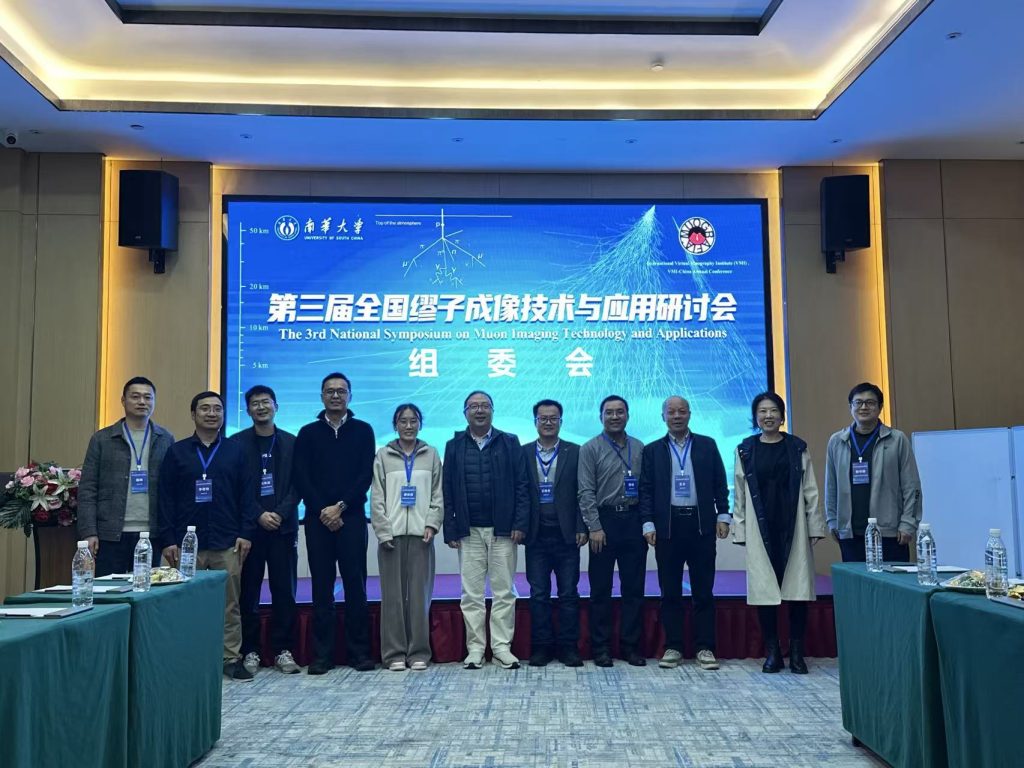
Our group recently participated in the National Muography Workshop 2025 (第三届全国缪子成像技术与应用研讨会), held at the University of South China (USC) in Hengyang (衡阳) from November 22 to 23, 2025. Representing our team, Yinghe Wang presented the latest advancements in the SJTU Muography Project, highlighting our contributions to this emerging field. Siew Yan Hoh, Min Yang Tan, and Jiangtao Wang also presented posters on the progress of the Shanghai Outer Ring Tunnel Muography project and the SHINE Muon Tomograph project. The workshop gathered prominent researchers from leading institutes and universities across China to exchange insights on the latest developments in muography technologies and their broad applications. The event provided a vibrant platform for experts in muon detection, electronics, and imaging algorithms to foster collaborations, explore innovative ideas, and establish new research directions. During the Chinese Muography Collaboration Committee Meeting, the bidding process for hosting the 5th edition (in 2027) was conducted. I am delighted to announce that our institute has been awarded the bid to host the 5th National Muography Workshop in 2027 Autumn! Recordings of the talks can be found here: https://www.koushare.com/live/details/48437.
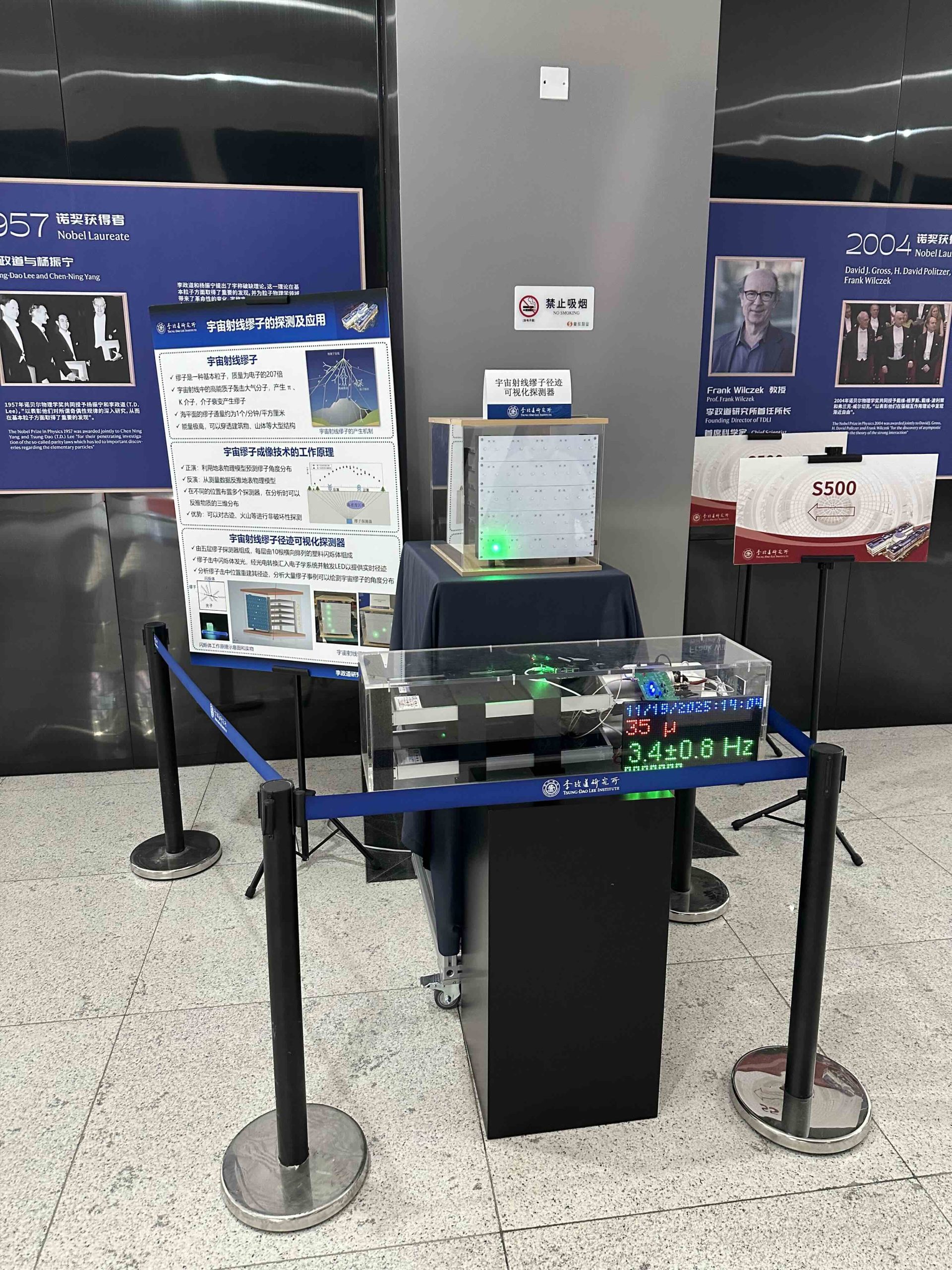
Muon Track Visualizer and Muon Flux Monitor are currently on display at TDLI!
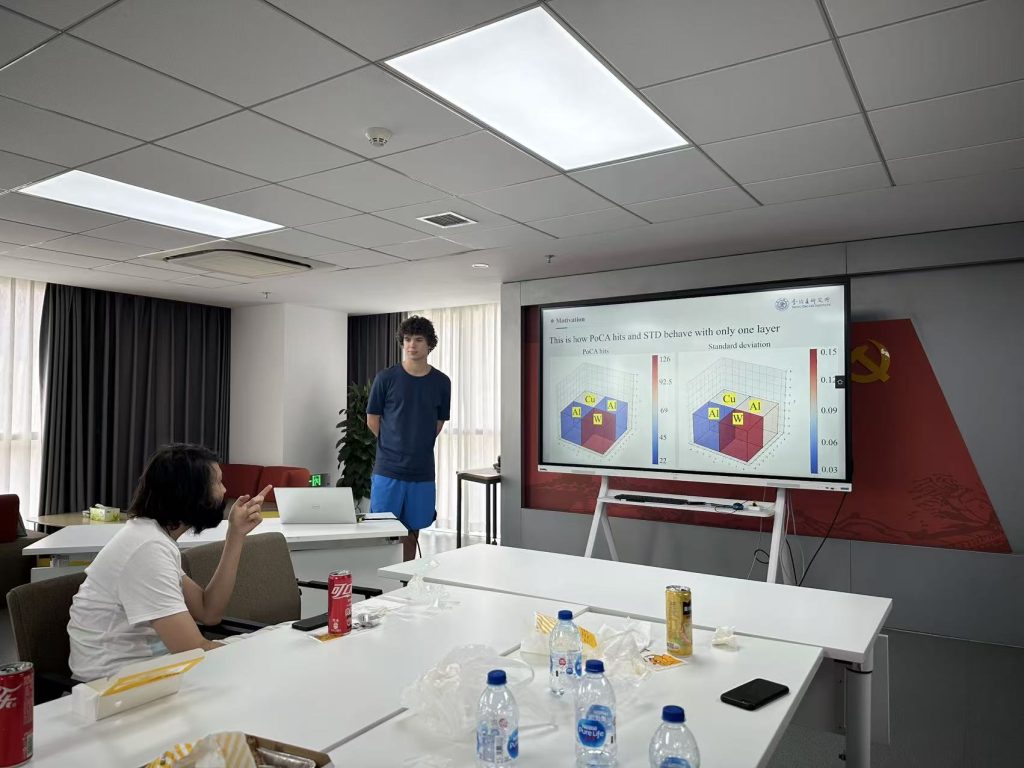
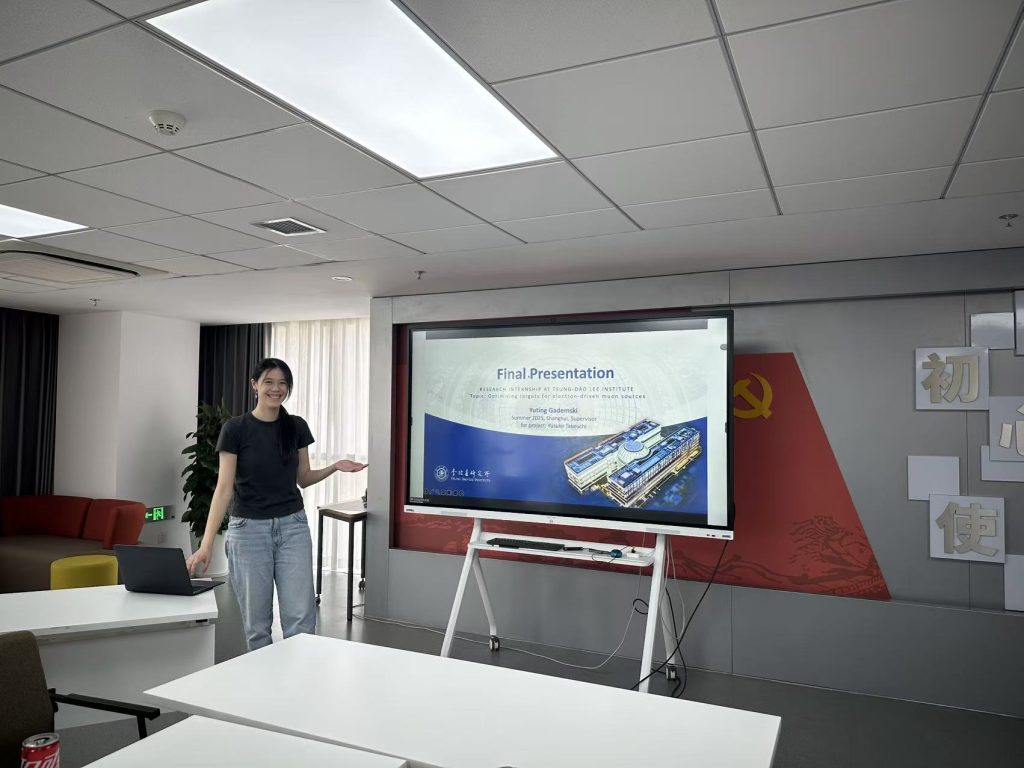
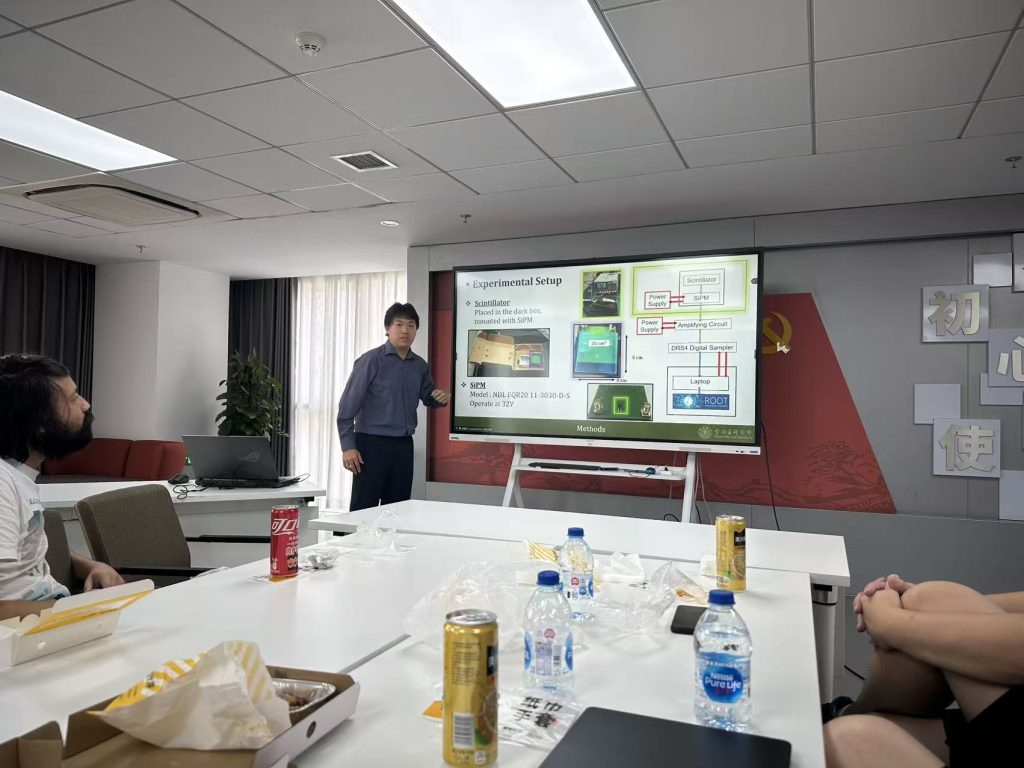
7 Summer Research Interns completed their work in our group
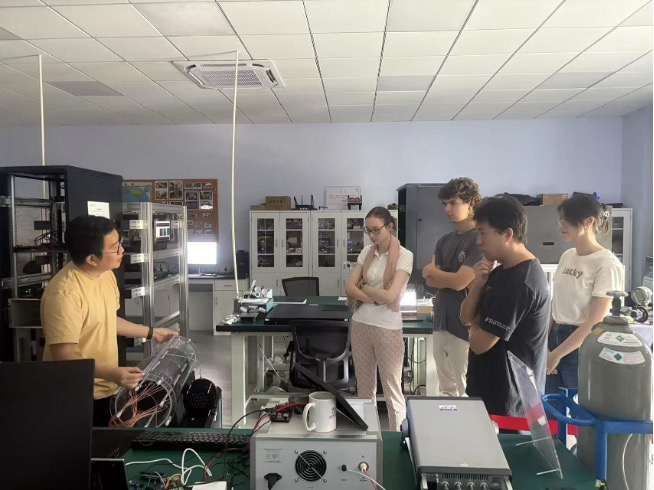
This summer, the Muon Physics Group at the Tsung-Dao Lee Institute (TDLI) had the pleasure of hosting six talented students from around the world for their internship projects under the supervision of Prof. Kim Siang Khaw.
Our interns came from diverse backgrounds, Phuriphat Intanit (Nice) from Suranaree University of Technology, Thailand; Martina Pratesi and Yuting Gademski from University College London (UCL), UK; Pedro Salvatico from Faculdade Israelita de Ciências da Saúde Albert Einstein, Brazil; Jing Tian Yong and Junyi Gu from Xiamen University Malaysia, Malaysia, and Qi Jie Tin from University Technology Malaysia, Malaysia.
Throughout the summer, they actively contributed to a range of projects spanning muon physics, detector development, and data analysis: Phuriphat (Nice) completed a study on g-factor measurement using an in-house built solenoid and conducted a radiation study for the SHINE facility; Martina worked on the muography project, characterizing detector performance based on scintillating materials coupled with SiPMs and a CAEN-based data acquisition system; Pedro explored the use of machine learning techniques to enhance density inference in muon tomography, a promising approach using naturally occurring cosmic-ray muons. Jing Tian, Junyi, and Qi Jie focused on particle detection studies, characterizing SiPM operation and gaining hands-on experience with electronics for particle detection.
The interns joined at different times throughout the summer, creating a lively and collaborative environment filled with learning and discovery. They leave the group with valuable research experience, new technical skills, and great memories.
We thank all seven interns for their dedication and enthusiasm, and we wish them every success in their future academic journeys!

The 7th Tianwen Forum on Particle Physics (第七届粒子物理天问论坛)
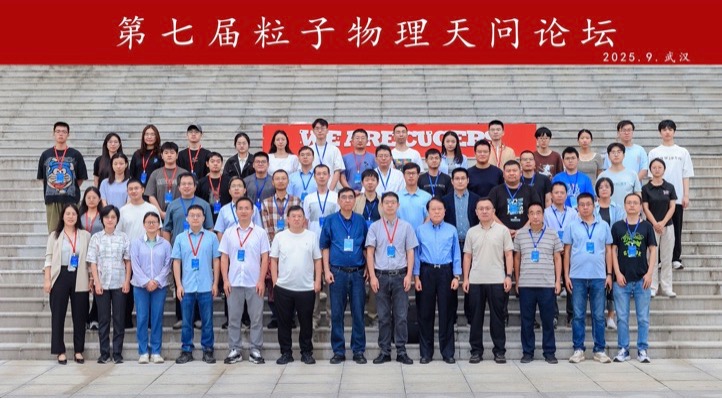
From September 18 to 22, 2025, the 7th Tianwen Forum on Particle Physics (第七届粒子物理天问论坛) was successfully held at China University of Geosciences in Wuhan. The forum, co-hosted by several leading universities including Hunan University and Central South University, aimed to strengthen academic collaboration and discuss future directions for particle physics and the planning of major national scientific projects in China. The conference agenda focused on a wide range of experimental platforms and the latest interdisciplinary progress in the field.
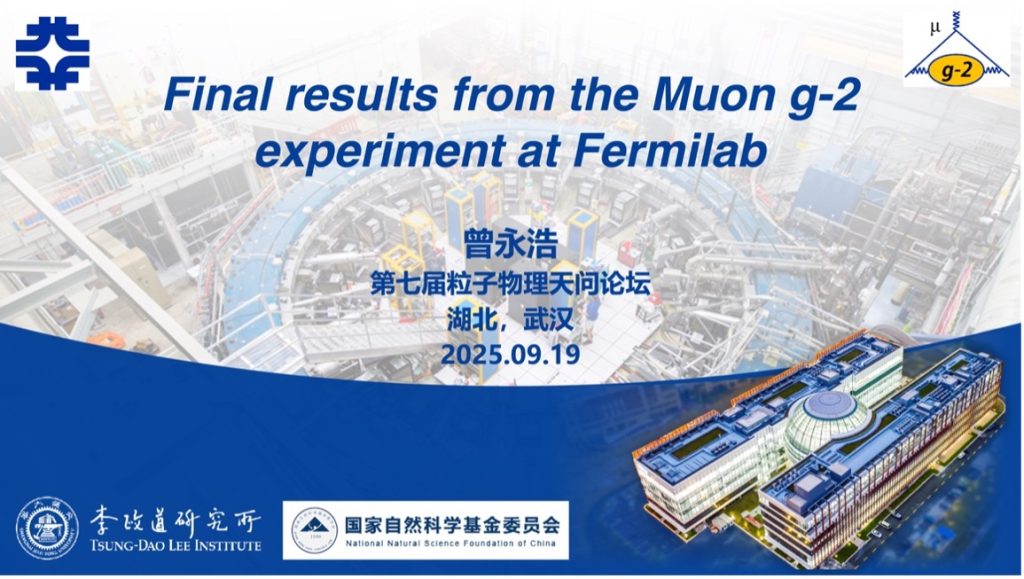
During the conference, Mr. Yonghao Zeng, A PhD student from our group, delivered an invited presentation titled “Muon g-2 Status” to the forum attendees. His report provided a comprehensive overview of the latest progress, current challenges, and future roadmap of the international Muon g-2 experiment, a high-precision effort to search for physics beyond the Standard Model. The presentation sparked productive discussions among experts, offering valuable insights to the forum’s dialogue on cutting-edge experimental physics.
Our paper on the Shanghai Outer Ring Tunnel Muography is out!
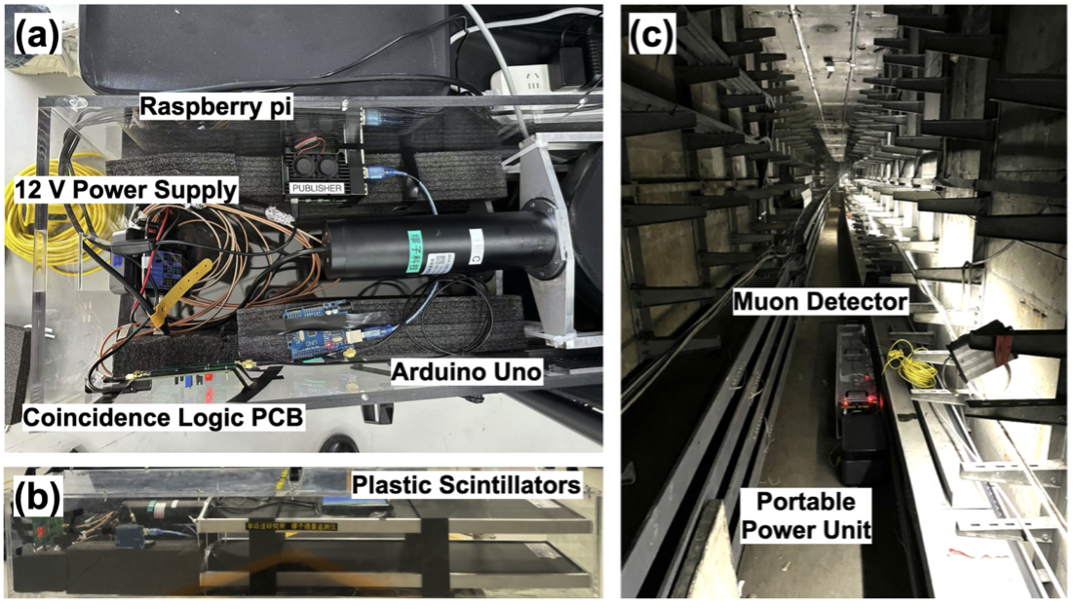
We are thrilled to announce that our latest research paper, “Towards Non-Invasive Sediment Monitoring Using Muography: A Pilot Run at the Shanghai Outer Ring Tunnel,” has been published in the Journal of Applied Physics (Vol. 138, 114902, 2025). 📄 Read the paper here
This study marks an important milestone in applying cosmic-ray muography to civil and environmental engineering. Using a portable dual-layer plastic scintillator detector, our team conducted muon flux scans inside the Shanghai Outer Ring Tunnel—an immersed tunnel beneath the Huangpu River—to study sediment accumulation and tidal effects without disrupting tunnel operations.
Through careful Geant4 simulations and field measurements, we demonstrated a clear anti-correlation between muon flux and tidal water level, confirming muography’s sensitivity to subtle overburden changes caused by sediment and water variations. These results validate muography as a non-invasive, real-time monitoring technique for submerged infrastructure, offering a safer and more sustainable alternative to traditional geotechnical methods like borehole drilling or sonar scanning.
This collaborative work between Shanghai Jiao Tong University, Shanghai Geological Engineering Exploration, and several municipal partners highlights how particle physics technologies can play a transformative role in urban infrastructure resilience and environmental monitoring.
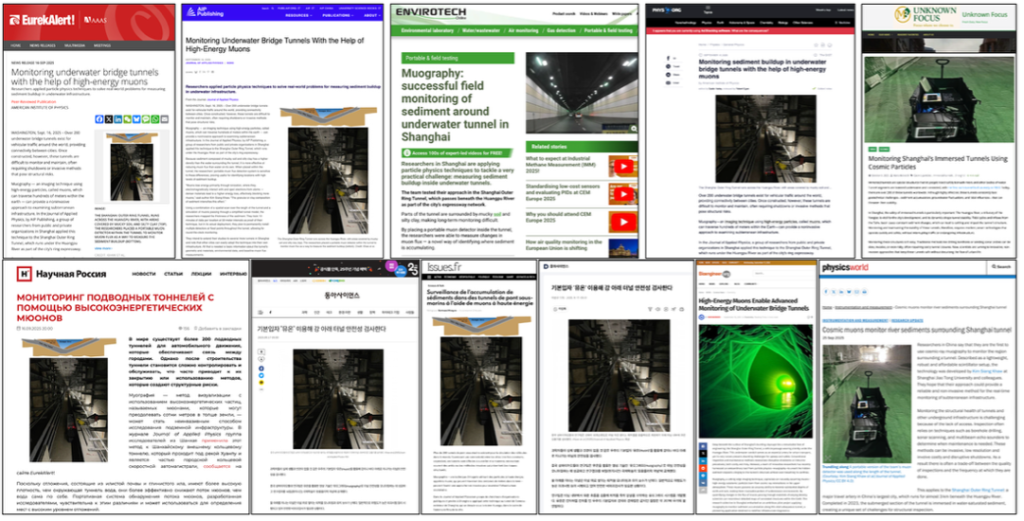
News outlets from different countries report the results. 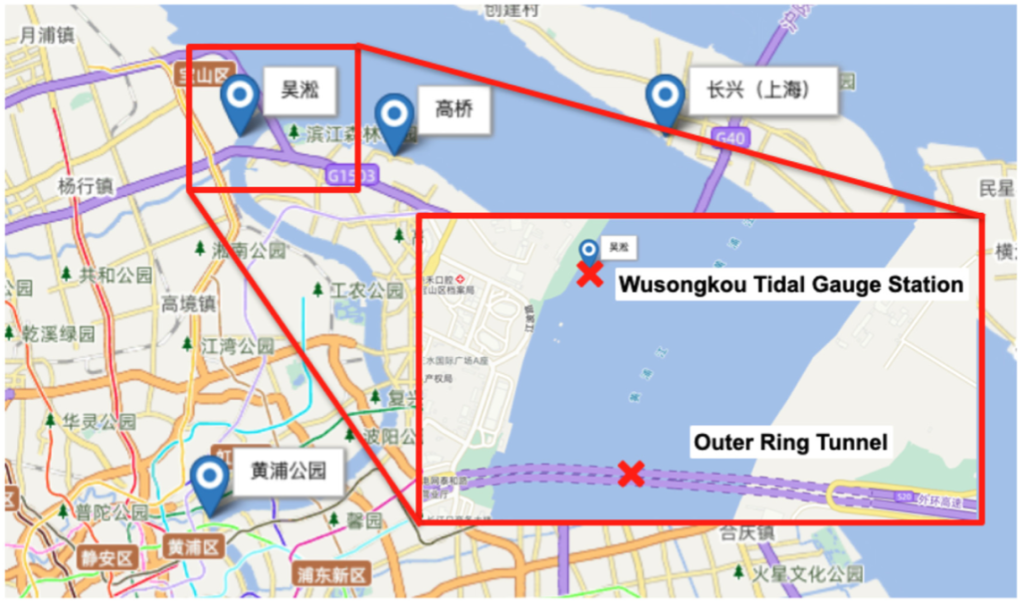
Location of the Shanghai Outer Ring Tunnel and the nearby tidal gauge station. 
Expected and measured muon flux along the Outer Ring Tunnel axis. 
Correlation between the muon flux rate and the river water level.
Physics of Fundamental Symmetries and Interactions (PSI 2025)
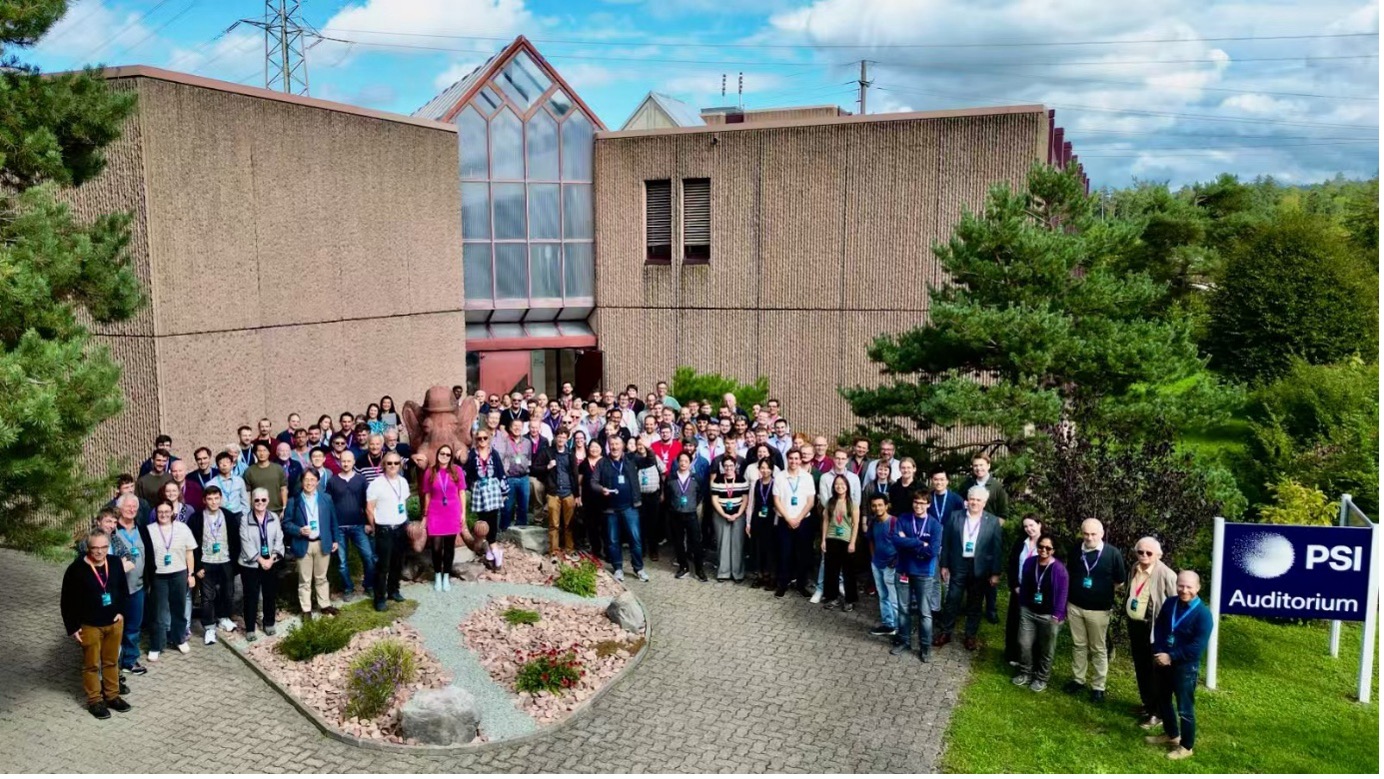
Beining Rao from our group recently participated in the Physics of Fundamental Symmetries and Interactions – PSI2025 workshop. This workshop highlights current and upcoming high-precision low-energy physics initiatives, utilizing PSI’s unique facilities, including the world’s most powerful proton cyclotron, high-intensity low-momentum muon beams, and an ultracold neutron source, while supporting complementary experimental approaches. Beining presented a poster on her work titled “Testing QED and Beyond with ortho-Positronium.” Details of the workshop can be found here.
Particle Physics on Tabletops (PPTT 2025)
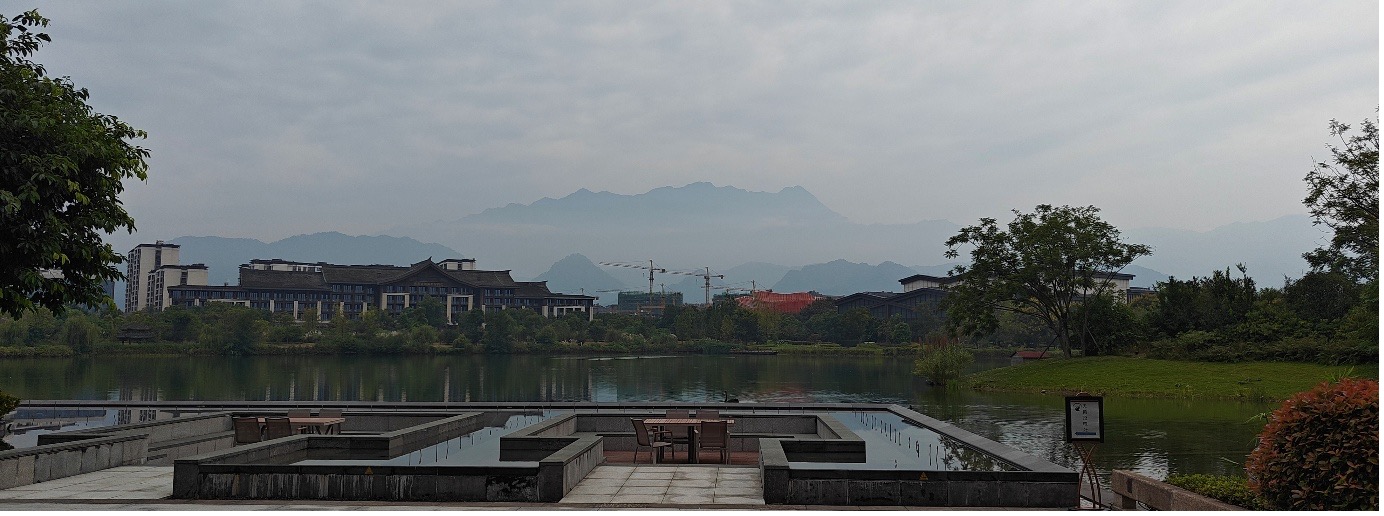
Members of our group recently participated in the PPTT 2025 workshop hosted at Dujiangyan, Chengdu from 1-6 Sep, 2025. The workshop focuses on Particle Physics for Tabletop, bringing experts from diverse fields to explore the potential of probing fundamental particle physics via tabletop experiments. Besides, the workshop promotes cross-disciplinary and international collaborations in this emerging area.
Beining Rao and Guan Ming Wong contributed poster presentation in this workshop. Beining presented on “Testing QED and Beyond with ortho-Positronium”, while Guan Ming shared the latest update on the “Development of the Muon Trigger Detector Prototype for the muEDM experiment at PSI”.
Details of the workshop can be found here.


Cosmic-ray Muography System (CMS) Now Online and Begins First Muon Radiography Measurments at TDLI
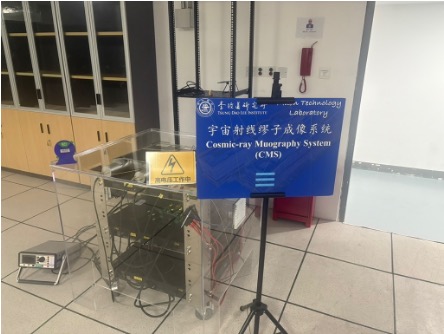
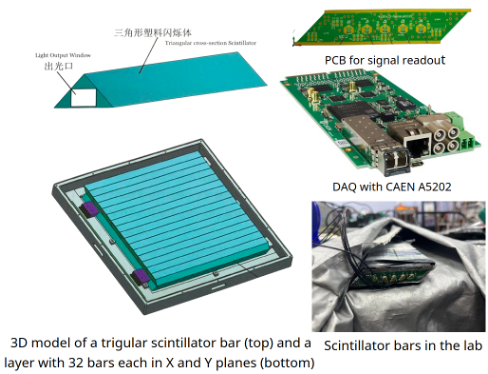
The TDLI Muon Physics group developed the Cosmic-ray Muography System (CMS), which has successfully gone online and started data collection in radiography mode. The system features three tracking layers, each constructed using 1.5 cm-wide triangular scintillator bars read out by SiPMs across an active detection area of approximately 50 cm × 50 cm. Integrated with CAEN’s A5202 front-end electronics, the CMS offers a compact, modular, and high-resolution platform for muon imaging.
A series of commissioning measurements were conducted at three locations within TLDI—two inside the Tianwen Hall and one at the B1 underground level. The preliminary results are promising: the cosmic-ray muon flux in the 90° < φ < 180° range at Location #3 (B1) is significantly lower than at the two surface-level sites. This reduction indicates muons passing through denser structural material above the underground site, demonstrating the detector’s sensitivity and confirming its proper operation.
These initial measurements represent a significant milestone in establishing the CMS as the first functional muography instrument in Shanghai, paving the way for future structural, geological, and subsurface imaging studies around the city.

The Flavor Physics Conference 2025: A Gathering of Minds in Particle Physics
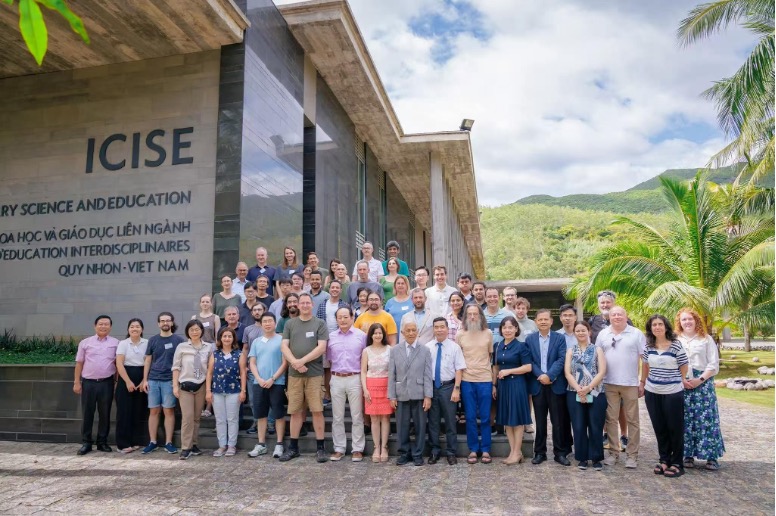
The Flavor Physics Conference is held every three years, bringing together particle physicists from around the world to discuss the latest developments, challenges, and future directions in understanding the Standard Model and physics beyond it.
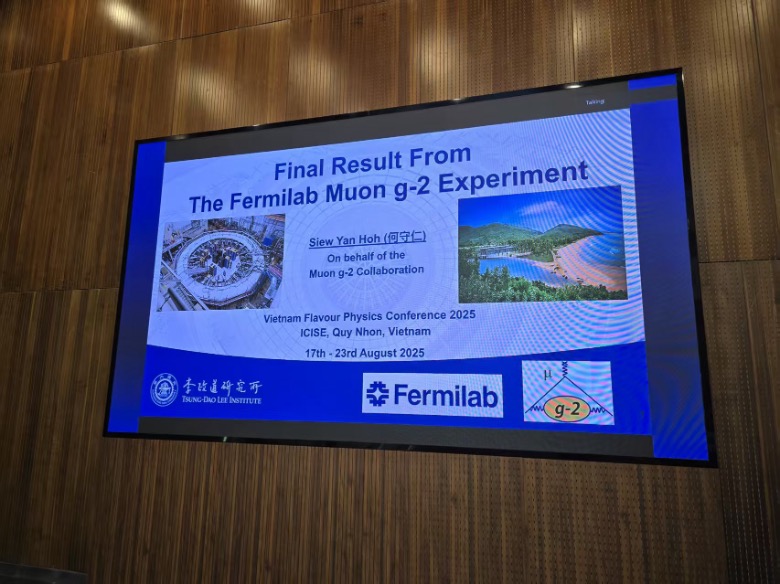
In 2025, Dr. Hoh Siew Yan from our group attended the conference, which took place at ICISE, Quy Nhon. He presented a talk on the Muon g-2 Experiment, providing an overview of the long-awaited final results announced earlier in May 2025.
The measurement of the muon’s anomalous precession frequency has now achieved a world-leading precision of 125 parts per billion (ppb), marking more than a two-fold improvement with the inclusion of data from Runs 4, 5, and 6. When compared with the latest Standard Model prediction, now derived primarily from lattice QCD calculations, the discrepancy between theory and experiment has narrowed. However, the lattice-based prediction remains in tension with earlier data-driven approaches, leaving the community eagerly anticipating further theoretical refinement in the coming years.
Although the Muon g-2 experiment has concluded, its results stand as the most stringent test of the Standard Model to date, setting a powerful benchmark for future explorations of new physics.
Fast Muon Trigger System Prototype Readied for PSI’s muEDM Experiment
Two new studies mark key milestones toward the world’s most sensitive search for the muon electric dipole moment.
The PSI muEDM experiment aims to probe physics beyond the Standard Model by improving the sensitivity to the muon’s electric dipole moment (EDM) to 6 × 10⁻²³ e·cm—four orders of magnitude beyond the current limit. Detecting a nonzero EDM would reveal new sources of CP violation, offering clues to the Universe’s matter–antimatter imbalance.

Fig. 1 – schematic of the muEDM setup
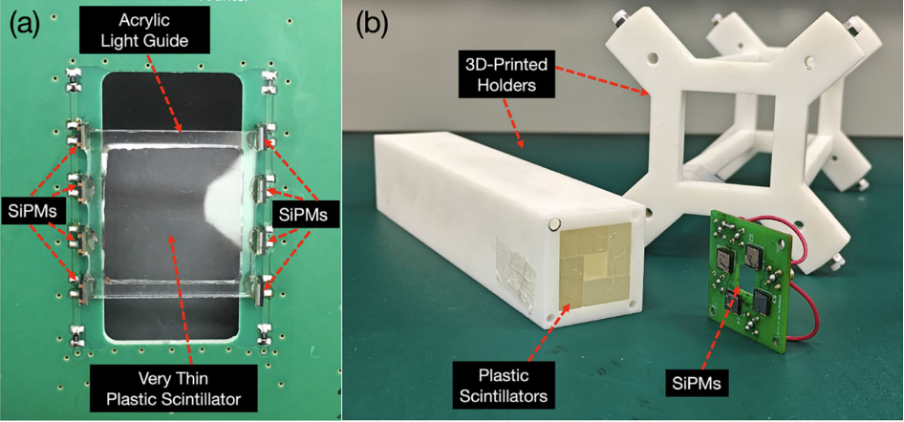
In preparation for the experiment’s Phase I, we have developed and validated a fast muon trigger detector and its front-end electronics, essential for capturing muons entering the storage solenoid and synchronizing the activation of a pulsed magnetic kicker.
The first step, reported in Radiation Detection Technology and Methods (2025), described the design and beam testing of a prototype trigger detector consisting of a 100 µm-thin gate scintillator and a surrounding telescope array, both read out by silicon photomultipliers (SiPMs). Using 27.5 MeV/c muons at PSI’s πE1 beamline, the team measured high timing precision, optimal light yield, and excellent agreement with Geant4 simulations, confirming the system’s ability to select storable muons while rejecting background particles.
Building on this foundation, the collaboration developed the fast front-end readout electronics, presented in IEEE Transactions on Nuclear Science (2025). The compact system integrates preamplifiers, discriminators, and anti-coincidence logic operating inside a 3 T magnetic field, achieving a total signal latency below 15 ns. During beam tests, the electronics demonstrated sub-6 ns propagation delay and >99 % anti-coincidence efficiency, validating performance under experimental conditions.


With both detector and electronics prototypes now validated, installation and commissioning for Phase I of the muEDM experiment are underway at PSI, bringing researchers a step closer to uncovering new sources of CP violation.